Financing a New Home: Incentives & Rate Buydowns
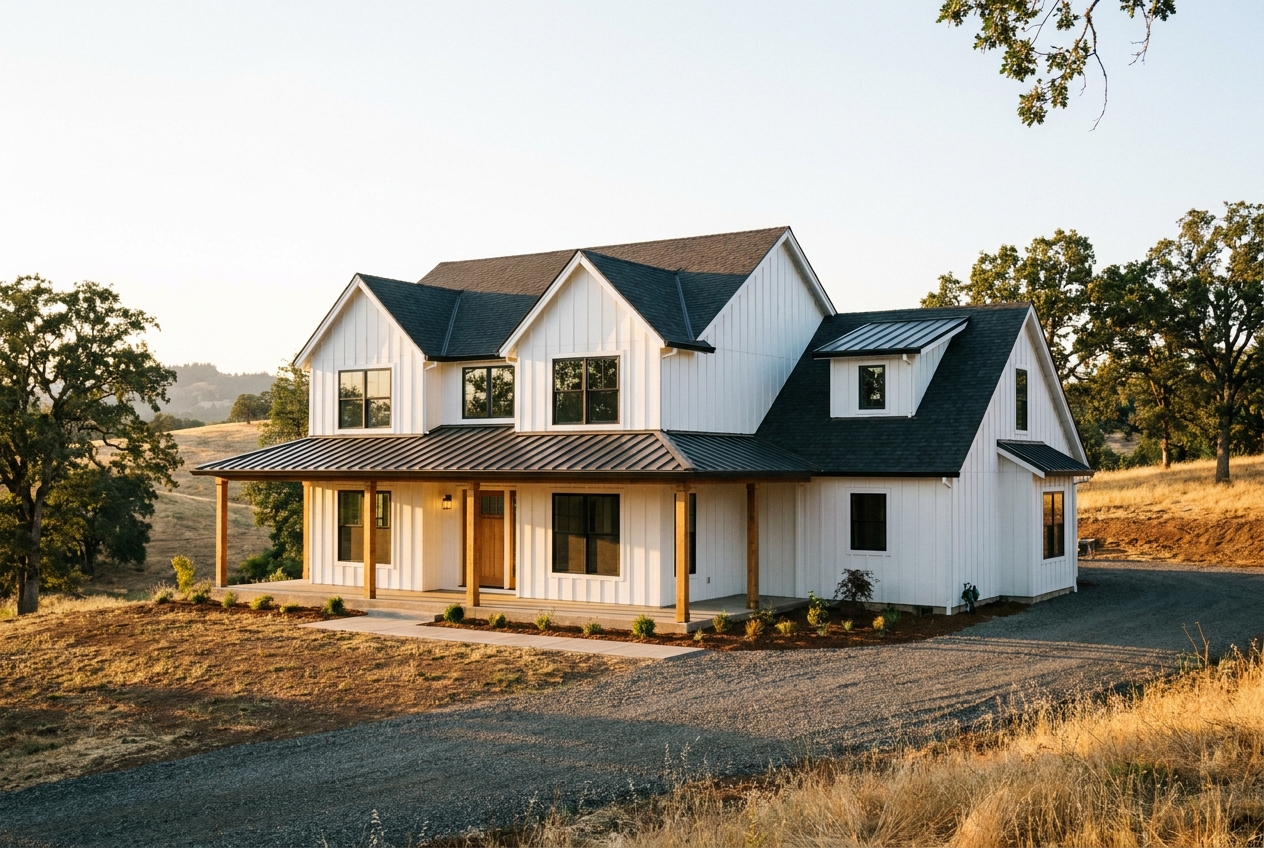
Buying new often means a different financing experience than buying resale, and that difference can work strongly in your favor once you know what to look for.
Start with pre-approval, not a home search
The first practical step for any new-home buyer is getting pre-approved before you spend time touring communities. It matters more than people expect. Builders treat pre-approved buyers as serious, and where lots or quick-move-in homes are limited, that credibility counts. It also gives you a clear budget, so you’re not falling for a home you haven’t actually qualified for. Pre-approval isn’t a commitment. It’s a baseline that makes everything else move faster.
How new-construction financing differs from resale
If you’re buying a finished or quick-move-in home, the financing process looks a lot like buying resale: you find the home, make an offer, and lock a rate near the time your contract is finalized.
Building from the ground up is a different situation. Construction timelines can run several months, and rates can’t always be locked at contract signing the way they can on a completed home. Some lenders offer extended rate-lock programs for new construction, sometimes at an added cost; others work with a float-down provision. The right approach depends on your lender, the builder’s timeline, and current market conditions. That’s exactly why it pays to understand your options early, before you sign anything.
Builder incentives: what they are and what they mean
One of the clearest advantages of buying new is the availability of builder incentives. They aren’t universal, they vary by home and community, and they change over time. They’re worth understanding, because they can meaningfully affect what you pay and what your monthly payment looks like. Common types include:
- Rate buydowns. A builder or their preferred lender pays to reduce your interest rate, either temporarily (for the first year or two) or permanently (for the life of the loan). A temporary buydown lowers your payments while you settle in; a permanent buydown lowers the rate for the full term. The cost typically comes from builder funds, not your pocket.
- Closing-cost credits. Some builders offer credits toward your closing costs, often when you use their preferred lender, reducing the cash you bring to the table at settlement.
- Design-center credits. On a to-be-built home, credits toward finishes and upgrades let you personalize without adding to your out-of-pocket costs at closing.
Incentives are usually tied to conditions: using the builder’s lender, meeting a timeline, or buying in a particular phase. They aren’t automatically transferable or guaranteed to still be there when you’re ready.
The builder’s preferred lender vs. your own
Most builders have a preferred or affiliated lender, and incentives are often contingent on using them. That’s a common point of confusion for buyers who already have a lender they trust or who want to shop rates independently.
Honestly, neither option is always better. It depends on the specific incentive, the terms on offer, and what outside lenders are quoting at that moment. A builder’s lender is often competitive precisely because they’re motivated to get homes closed, and their familiarity with the process reduces friction. On the other hand, if the incentive is modest, a lender you know may offer better overall terms. The right move is to get a complete picture from both before you commit.
What actually affects your rate and terms
Whichever lender you use and whatever incentives are available, the rate and terms you’re offered are shaped by factors on your end: your credit profile, your down payment, your debt-to-income ratio, and the loan type. Conventional, FHA, VA, and USDA loans each carry different requirements and cost structures. A stronger credit score, larger down payment, and cleaner debt picture generally produce better terms, though the degree varies.
If your credit or financial picture needs work before you’re ready to buy, it’s far better to know that now than after you’ve fallen for a floor plan. A good lender or buyer’s agent can help you identify what to address and how long it realistically takes.
Ask about what’s available now
Incentives shift with the market, builder inventory, and a community’s phase. The only reliable way to know what’s currently on the table (a rate buydown, a closing-cost credit, or something else) is to ask. The Northwest New Homes team works directly with our builder partners and can walk you through exactly what’s available for the homes and communities you’re considering right now.